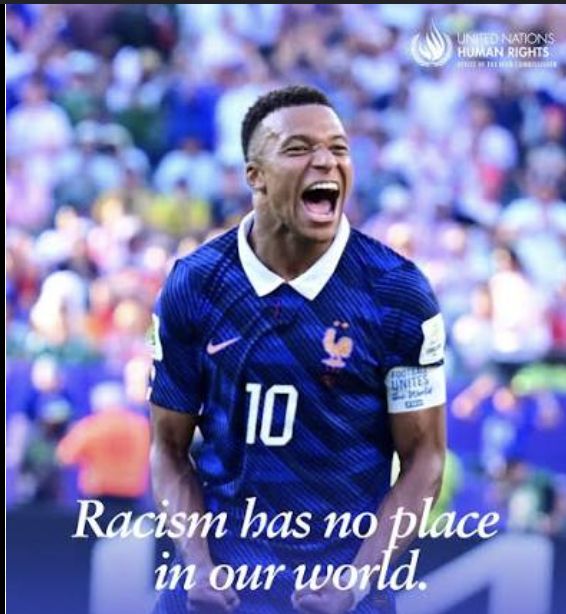
Football is often described as the world’s game because it unites billions of supporters regardless of nationality if not race or culture, while the sport has the power to bring communities together it also reflects wider social problems including racism and discrimination, in recent years football has witnessed repeated incidents of racist abuse directed towards players both inside stadiums and across social media platforms (Cleland, 2014).
The growth of digital media has transformed how these incidents are experienced as well as discussed and addressed, and racist behaviour that once remained confined to stadiums can now spread instantly across social media exposing players to millions of abusive messages while simultaneously generating worldwide condemnation and support (Munger, 2017).
Sports media therefore plays a dual role, on one hand it can amplify racist abuse by allowing harmful content to circulate rapidly, on the other it provides athletes governing bodies and supporters with powerful tools to challenge discrimination as well as demand accountability and promote equality, and this blog analyses the relationship between racism and sports media by examining recent cases involving Vinícius Júnior and Kylian Mbappé while evaluating how media influences public opinion and fan behaviour and football’s efforts to combat discrimination (McCombs and Shaw, 1972).
Racism in Modern Football:
Despite the introduction of a number of anti-racism initiatives by football authorities over the last twenty years prejudice remains a key issue in the sport (UEFA, 2025), racism comes in many forms such as racist chanting in stadiums or the nline abuse and stereotypes targeting players from minority origins, the advent of social media has altered the landscape of this issue with platforms like X as well as Instagram and TikTok facilitating direct interaction between supporters and players while also enabling anonymous individuals to disseminate racist views without any repercussions, and with football’s growing global prominence the publicity surrounding such instances has increased the pressure on clubs in addition to leagues and regulatory bodies to respond quickly (FIFA, 2025).
Vinícius Júnior: A Symbol of Football’s Fight Against Racism:
Few players have become stronger symbols in the fight against racism than Real Madrid forward Vinícius Júnior, in recent seasons in Spanish football he has been subjected to repeated racist abuse from sections of opposing supporters, and these incidents have received extensive international media coverage with videos circulating rapidly across social media and generating widespread public debate. (Meneguelli & Ferré-Pavia, 2025)
Instead of staying silent Vinícius has consistently used his personal social media accounts to condemn racism and demand stronger action from football authorities, and his posts have reached millions of followers across the globe turning individual incidents into global conversations about discrimination in sport (Meneguelli and Ferré-Pavia, 2025)
As well as the role of digital creators and television broadcasters in highlighting the abuse and questioning the effectiveness of the anti-racism measures that were in place, sports media played a major role in shaping public opinion during these events, FIFA and UEFA and La Liga were under increased criticism about whether the punishments for offenders were harsh enough, and this shows the way in which media can influence sporting institutions to improve governance and to better protect athletes (McCombs and Shaw, 1972)
Online Abuse and Kylian Mbappé:
Kylian Mbappé has also been the subject of a lot of online abuse during his career, particularly after big games and major international tournaments but while criticism is an inevitable part of elite sport, racist comments aimed at players are a serious social problem which goes beyond football itself (The Guardian, 2026)
Social media is so fast that abusive content can go global in minutes but social media can also be used by teammates and clubs to publicly defend players and to promote positive messages as well as by supporters and anti-discrimination organisations, hashtag campaigns in support of players have shown the power of digital communities to unite against discrimination and to push football authorities to improve reporting systems and disciplinary procedures (Stevens and Cremers, 2022).
The Influence of Sports Media on Fan Behaviour:
Sports media has immense power in defining how supporters perceive events taking place within football, responsible journalism can educate audiences on discrimination as well as promote respectful behaviour and highlight campaigns for diversity and inclusion, conversely sensationalist reporting or lack of moderation of online content can unwittingly reinforce hostility and promote abusive behaviour (McCombs and Shaw, 1972).
More and more football clubs are recognizing the importance of digital communication in promoting positive values, with many organizations now responding quickly to racist incidents through official statements, educational campaigns and partnerships with equality groups, and sponsors have also emerged as key stakeholders, with many now demanding that clubs and competitions demonstrate a strong commitment to diversity and social responsibility before renewing commercial deals. (Beyond the Game, 2025)
From a sports marketing perspective the importance of an inclusive environment to protect a company’s image, football organisations’ reliance upon global audiences from diverse cultural backgrounds, and the potential to damage consumer trust as well as reduce commercial value and weaken long-term fan loyalty if discrimination is not addressed are all reasons why the issue warrants continued attention.(Freeman, 1984).
Conclusion:
The relationship between football and sports media shows that communication goes beyond advertising matches or getting sponsors, media is now one of the most effective ways to shape discussions about diversity and social responsibility, as well as equality and the experiences of Vinícius Júnior and Kylian Mbappé show both the perils created by online platforms and the chances they offer to raise awareness and call for real change. (Meneguelli & Ferré-Pavia, 2025)
Sports media has helped raise public awareness, strengthen institutional accountability and increase support for those affected, but racism remains a persistent problem in football. For sports marketers, governing bodies and clubs that are building inclusive digital environments, it’s no longer merely an ethical imperative, but a critical element of safeguarding football’s worldwide reputation and of helping to ensure that the game remains open and inclusive to fans and athletes of all backgrounds. (Beyond the Game, 2025)
References
Beyond the Game (2025) ‘Beyond the game: Racism, crisis management and social responsibility in professional football’, International Journal of Organizational Analysis.
Cleland, J. (2014) ‘Racism, football fans and online message boards’, International Review for the Sociology of Sport, 49(5), pp. 535–550.
FIFA (2025) No Racism. Available at: https://inside.fifa.com/social-impact/campaigns/no-racism
Freeman, R.E. (1984) Strategic Management: A Stakeholder Approach. Boston: Pitman.
McCombs, M.E. and Shaw, D.L. (1972) ‘The agenda-setting function of mass media’, Public Opinion Quarterly, 36(2), pp. 176–187.
Meneguelli, G. and Ferré-Pavia, C. (2025) ‘Racism and coloniality on the pitch: An essay about the public discursive staging of the Vinícius Jr. case’, Revista Panamericana de Comunicación, 7(2), pp. 102–118.
Munger, K. (2017) ‘Tweetment effects on the tweeted: Experimentally reducing racist harassment’, Political Behavior, 39(3), pp. 629–649.
Stevens, J. and Cremers, M. (2022) ‘How can social branding mitigate racism among fans in sports?’, Journal of Public Administration and Governance, 12(2), pp. 63–82.
The Guardian (2026) ‘Increase in racism during the World Cup reflects growing pattern of abuse’. Available at: https://www.theguardian.com
UEFA (2025) UEFA Respect. Available at: https://www.uefa.com/respect/


Leave a Reply