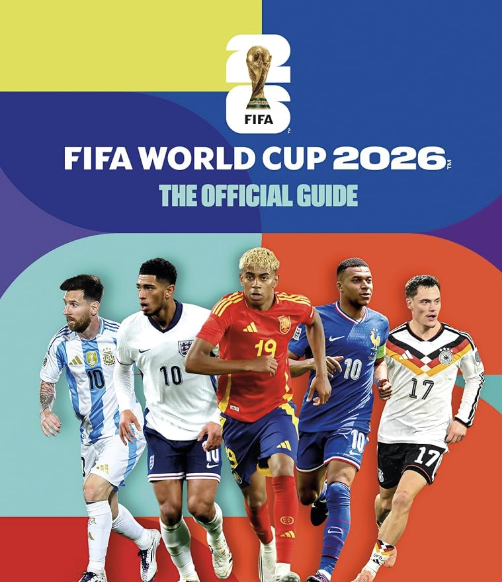
The FIFA World Cup has long been the world’s most watched sporting event, attracting billions of viewers across different continents, according to Mullin, Hardy and Sutton (2023) mega sporting events have evolved beyond sporting competitions to become global marketing platforms that connect fans as well as sponsors and media organisations, however the 2026 FIFA World Cup marked more than an expansion to 48 teams and three host nations it also demonstrated how digital media has transformed the relationship between not only football organisations but also players as well as sponsors and supporters, and fans no longer consume football solely by watching ninety minutes on television, and instead they interact with matches continuously through social media platforms such as TikTok in addition to Instagram as well as YouTube and X creating content as well as sharing opinions and engaging directly with athletes and football organisations, this reflects the findings of Vale and Fernandes (2023) who argue that social media has transformed football supporters from passive spectators into active participants who continuously engage with clubs, competitions and athletes.
For sports marketers social media has become one of the most valuable communication tools because it creates personalised experiences addiitonaly to strengthens emotional connections with supporters and generates commercial opportunities for sponsors, rather than simply promoting matches as well as digital platforms encourage fans to become active participants in the World Cup experience, this relationship-centred approach is consistent with Relationship Marketing Theory which emphasises building long-term relationships with consumers rather than focusing only on individual transactions. (Morgan and Hunt, 1994)
The Digital Transformation of the FIFA World Cup:
Sports marketing has changed a lot over the last two decades, traditional marketing was largely based on not only TV broadcasts but also newspaper coverage and attending stadiums, and by contrast, modern digital media enables football organisations to connect with supporters on the spot, no matter where they are.
Beech and Chadwick (2021) have noted that digital technology has fundamentally altered the ways in which sports organizations interact with consumers and create value through ongoing interaction, FIFA has focused a lot on digital marketing strategies that use not only live match content but also behind-the-scenes footage as well as player interviews and interactive campaigns across a range of platforms, and the official digital strategy of FIFA further strengthens the organization’s commitment to providing engaging digital experiences for fans around the globe (FIFA, 2026)
This second screen behaviour has become part of the modern day fan experience allowing supporter to stay connected pre, during and post every match. Furthermore, Oliveira Junior et al (2026)’s research showed that emotional engagement through digital channels significantly increases supporter satisfaction and encourages long-term loyalty.
This highlights the increasing dependence of football marketing on social media engagement rather than traditional broadcasting, and the latest research shows that artificial intelligence and personalized digital content are becoming more important for creating sports marketing strategies and improving fan experiences (Algorithmic Fandom, 2025).
Creating a Global Fan Community:
Morocco provides an excellent example of this phenomenon, following their impressive performances millions of supporters from Morocco and the wider Arab and African communities celebrated online by sharing match reactions, national flags and emotional videos, this user-generated content significantly increased global visibility for both the national team and FIFA itself, and the strong emotional connection demonstrated by Moroccan supporters reflects Social Identity Theory which argues that individuals strengthen their sense of belonging through shared group identities and collective experiences.(Tajfel and Turner, 1979)
Similarly global stars such as Kylian Mbappé, Jude Bellingham and Lamine Yamal generated enormous online engagement. Every goal, assist and celebration became instantly shareable content, from a marketing perspective these athletes function not only as footballers but also as personal brands that attract sponsors and expand football’s commercial reach, and Shank and Lyberger (2015) argue that athlete branding has become one of the most valuable assets in sports marketing because it enhances both commercial value and fan loyalty.
Social Media as a Marketing Tool:
Social media provides value for every stakeholder involved in the World Cup, FIFA benefits through increased audience engagement and global exposure, sponsors receive greater visibility because branded content spreads organically across platforms while players strengthen their personal brands by interacting directly with supporters, and fans in turn gain unprecedented access to their favourite athletes.
Interactive marketing campaigns also encourage participation, fans vote for Player of the Match, predict match results and participate in online competitions making them active contributors rather than passive spectators, this increased participation strengthens emotional attachment to both teams and tournament sponsors ultimately improving brand loyalty, and Oliveira Junior et al (2026) suggest that active fan participation significantly enhances engagement and increases the likelihood of long-term supporter loyalty.
Conclusion
The FIFA World Cup 2026 demonstrated that social media has fundamentally transformed sports marketing, digital platforms have shifted fans from passive viewers to active participants who help shape the tournament’s global narrative, through interactive content as well as athlete branding, user-generated media and worldwide online communities FIFA created one of the most connected sporting events in history, and these developments reflect the principles of Relationship Marketing Theory where long-term engagement has become more valuable than one-way communication.(Morgan and Hunt, 1994)
Despite challenges such as misinformation as well as online abuse and digital piracy and social media remains one of the most powerful tools available to sports marketers, as technology continues to evolve and future World Cups are likely to rely even more heavily on artificial intelligence, personalised content and immersive digital experiences to strengthen relationships between football organisations and supporters worldwide. (Algorithmic Fandom, 2025)
References:
Algorithmic Fandom (2025) Algorithmic fandom: How generative AI is reshaping sports marketing, fan engagement, and the integrity of sport. Frontiers in Sports and Active Living, 7, Article 1597444.
Beech, J. and Chadwick, S. (2021) The Business of Sport Management. 3rd edn. Harlow: Pearson.
FIFA (2026) FIFA Media Centre. Available at: https://inside.fifa.com.
Morgan, R.M. and Hunt, S.D. (1994) ‘The commitment-trust theory of relationship marketing’, Journal of Marketing, 58(3), pp. 20–38.
Mullin, B.J., Hardy, S. and Sutton, W.A. (2023) Sport Marketing. 5th edn. Champaign, IL: Human Kinetics.
Oliveira Junior, T.C. et al. (2026) ‘When game atmosphere and crowd experience shape Latin American fans’ behavior: The role of sport fan engagement’, International Journal of Sports Marketing and Sponsorship.
Shank, M.D. and Lyberger, M.R. (2015) Sports Marketing: A Strategic Perspective. 5th edn. New York: Routledge.
Tajfel, H. and Turner, J.C. (1979) ‘An integrative theory of intergroup conflict’, in Austin, W.G. and Worchel, S. (eds.) The Social Psychology of Intergroup Relations. Monterey, CA: Brooks/Cole, pp. 33–47.
Vale, L. and Fernandes, T. (2023) ‘Social media and sports: Driving fan engagement with football clubs on Facebook’, in Sports Marketing in the Digital Age. Abingdon: Routledge.


Leave a Reply