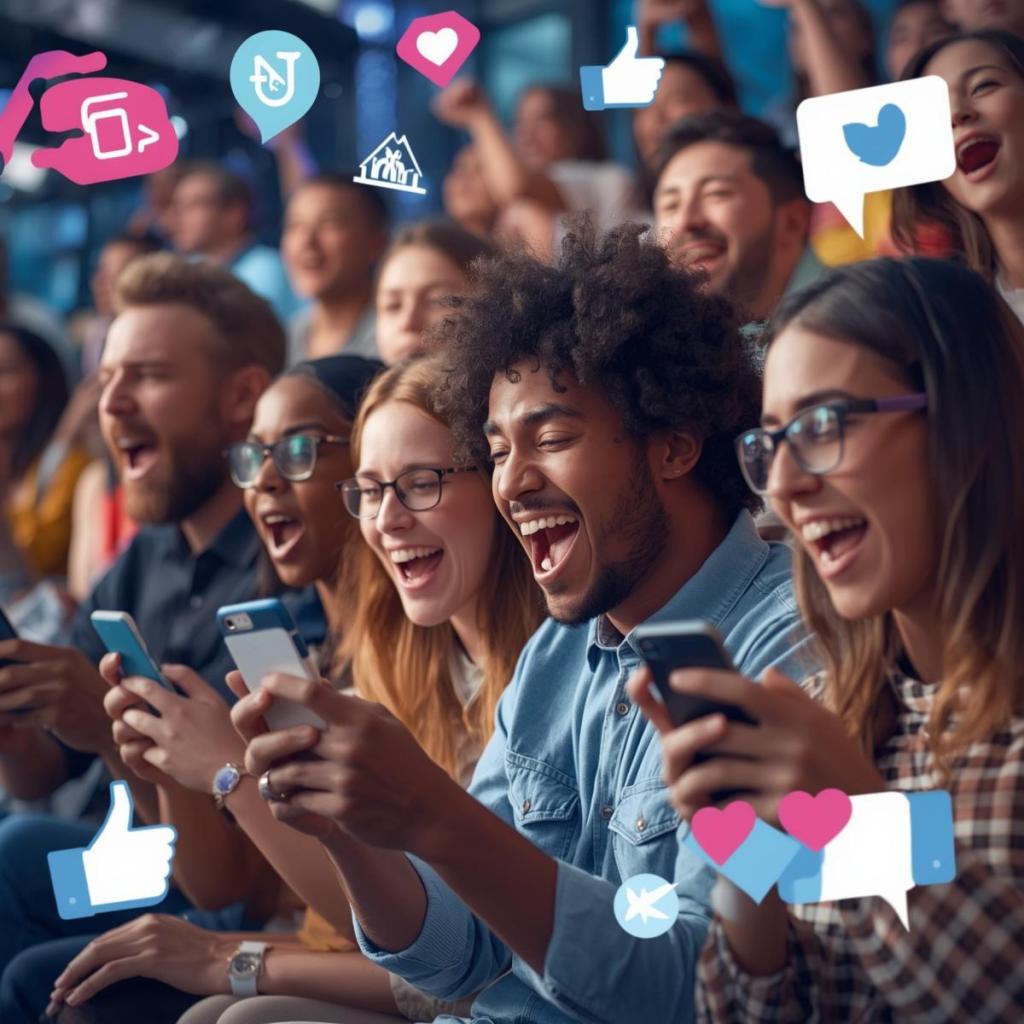
The relationship between sports and the media has changed over time and now has a big impact on how people see themselves and how they talk about things in public, athletes are no longer just known for their skills on the field, plus they are now important cultural figures who use media to talk about social concerns and make changes.
One notable example is the Black Lives Matter movement which got a lot of attention throughout the world, athletes like Marcus Rashford and LeBron James used their fame to speak out against racial unfairness, plus these messages reached people all around the world because to a lot of media attention and social media sharing, and this shows how sports can be a way to raise social consciousness.
This shows how important identity is becoming in sports consumption, fans are more likely to support athletes who share their ideals, plıus this means that sports are not just fun they are also a place for people to express themselves, and the media is a big part of this process because it gives athletes a bigger voice and shapes stories that change how people see things.
In the same way more media coverage of women’s sports has helped to break down conventional gender preconceptions and make sports more welcoming to everyone, the FIFA Women’s World Cup and other events like it show how being seen can change how people think about sports and open up new opportunities, however there are risks to athletic activism, and when people talk about their social beliefs in public it can make people angry or cause them to disagree, even so the impact of sports and media on identity is still very strong.
 Sport Media Insights